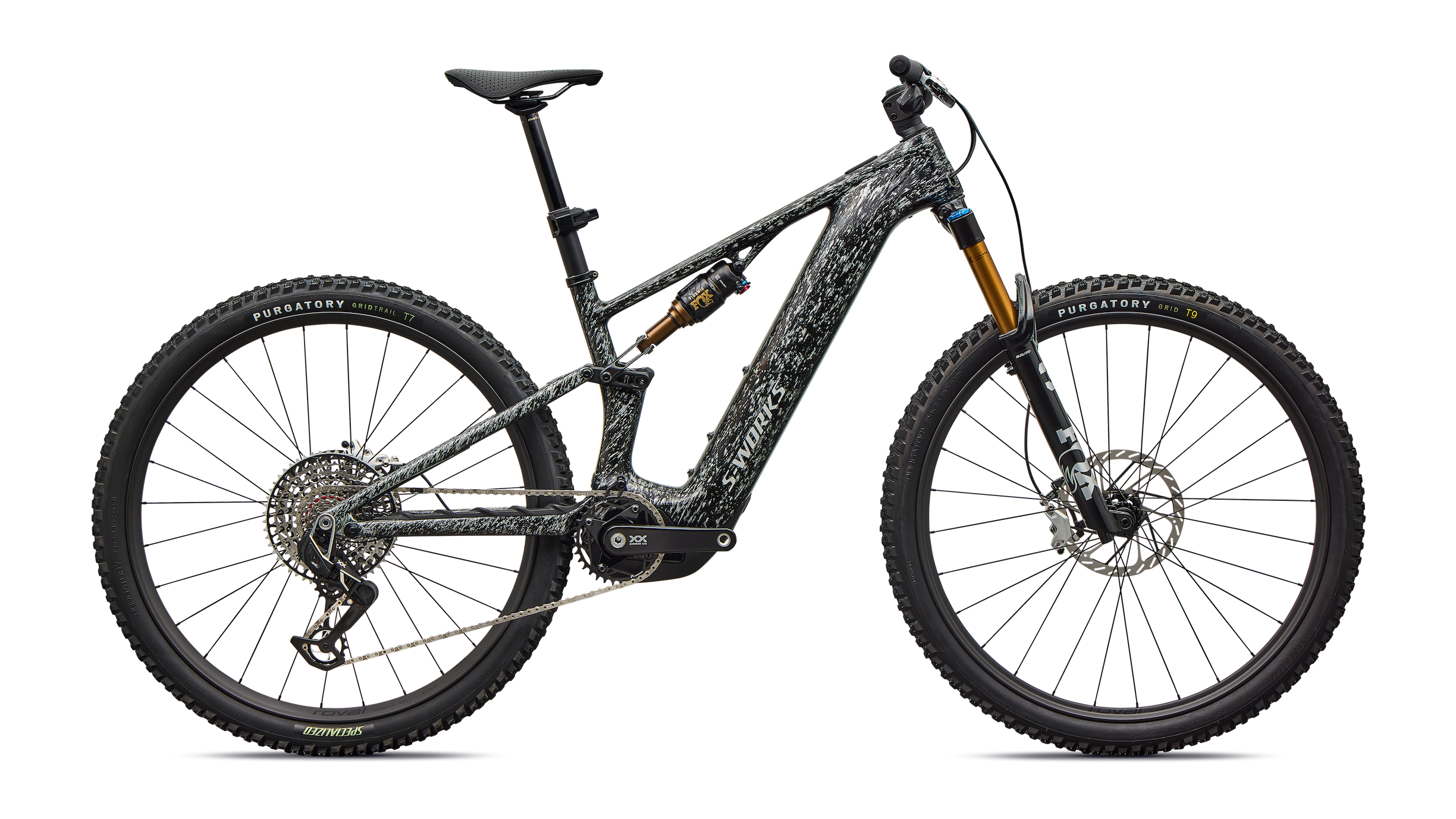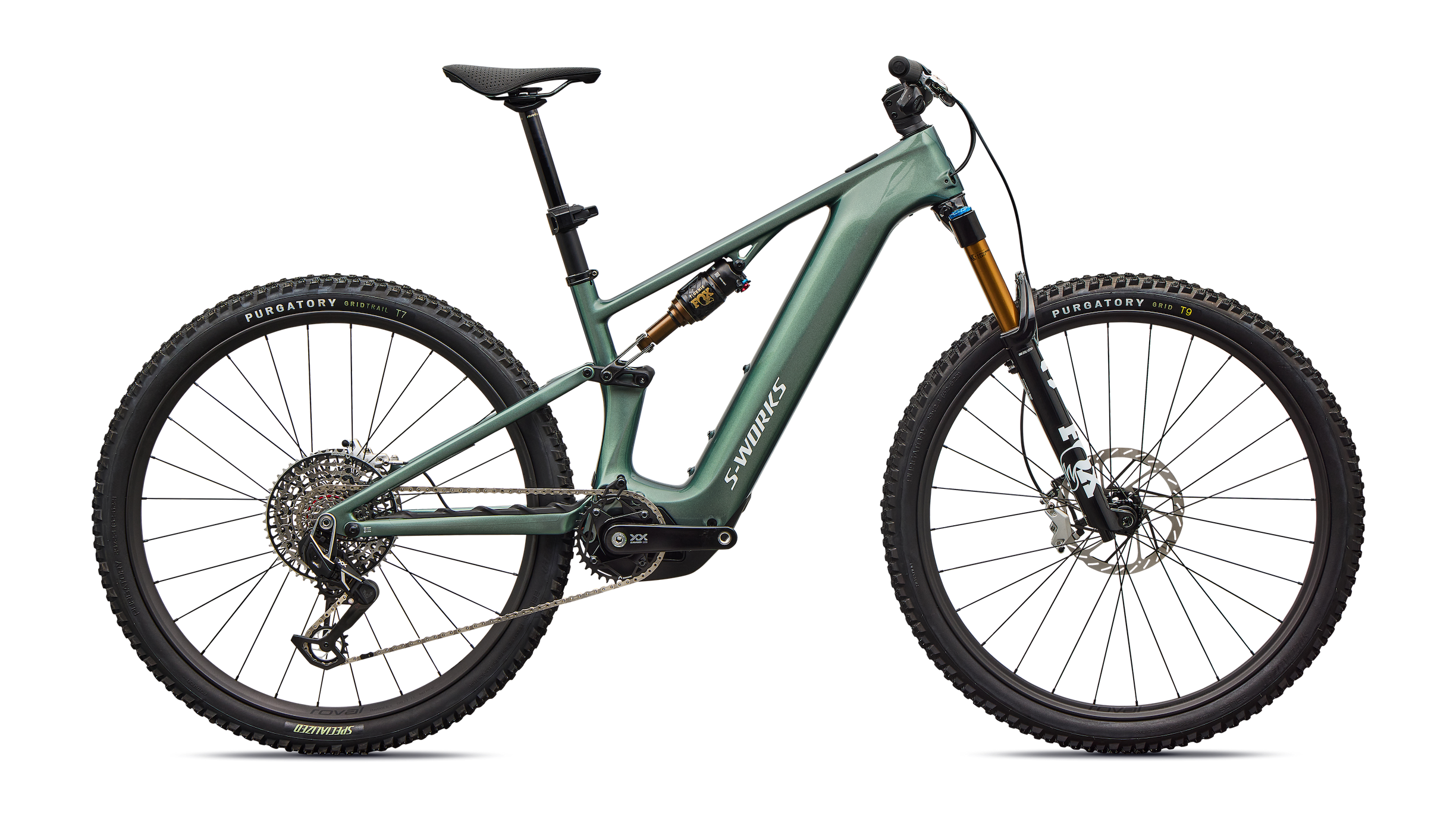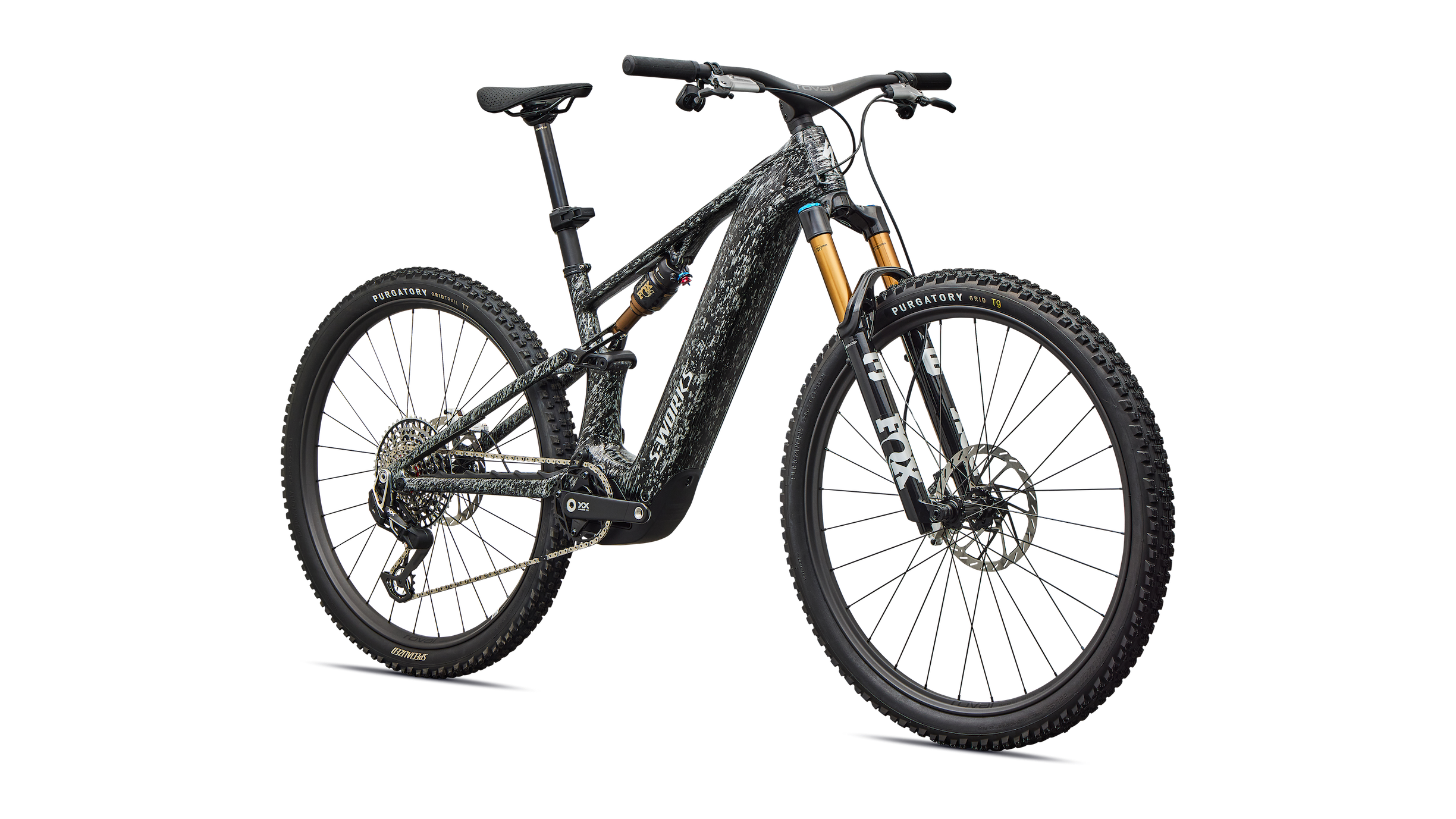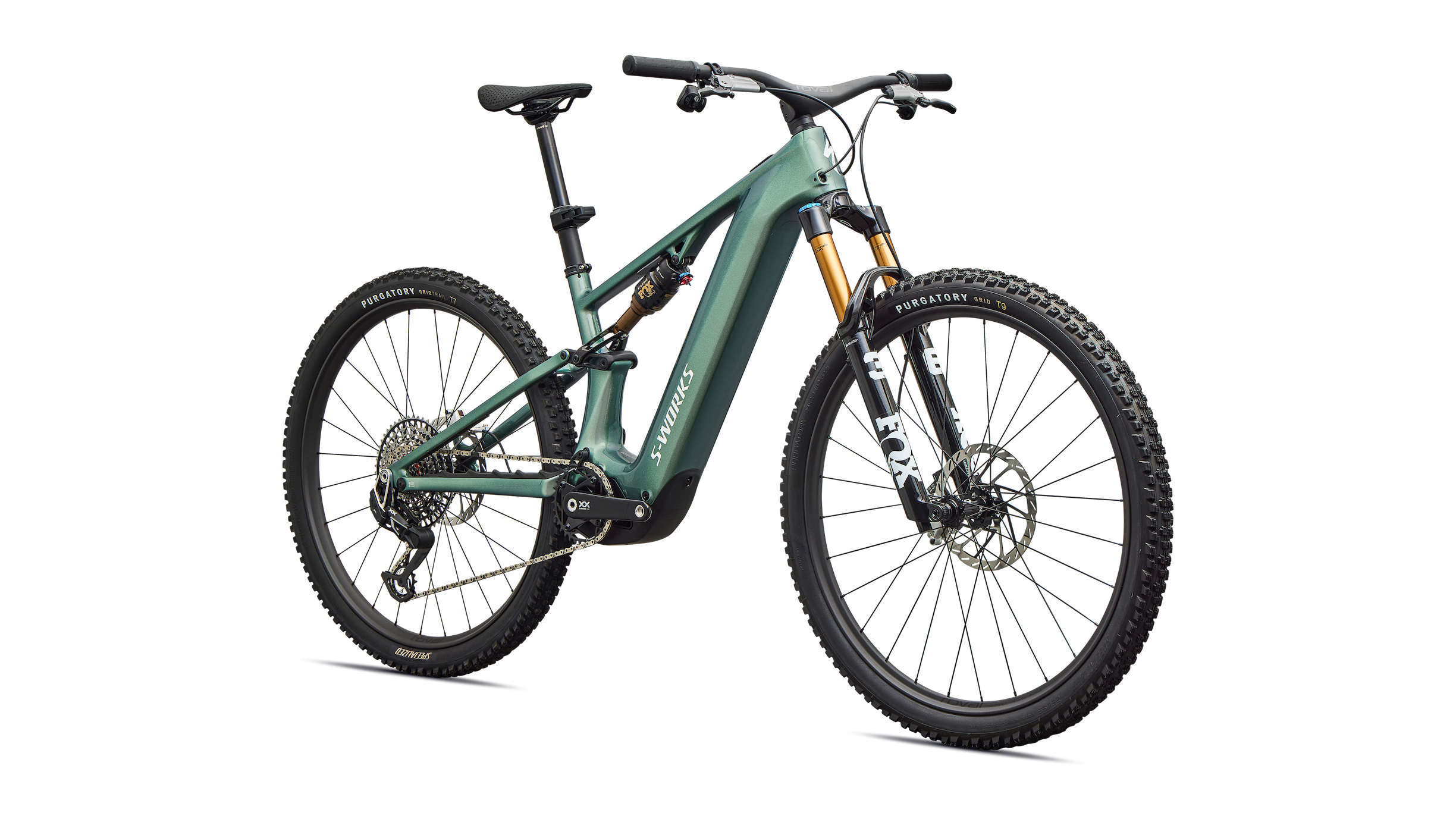
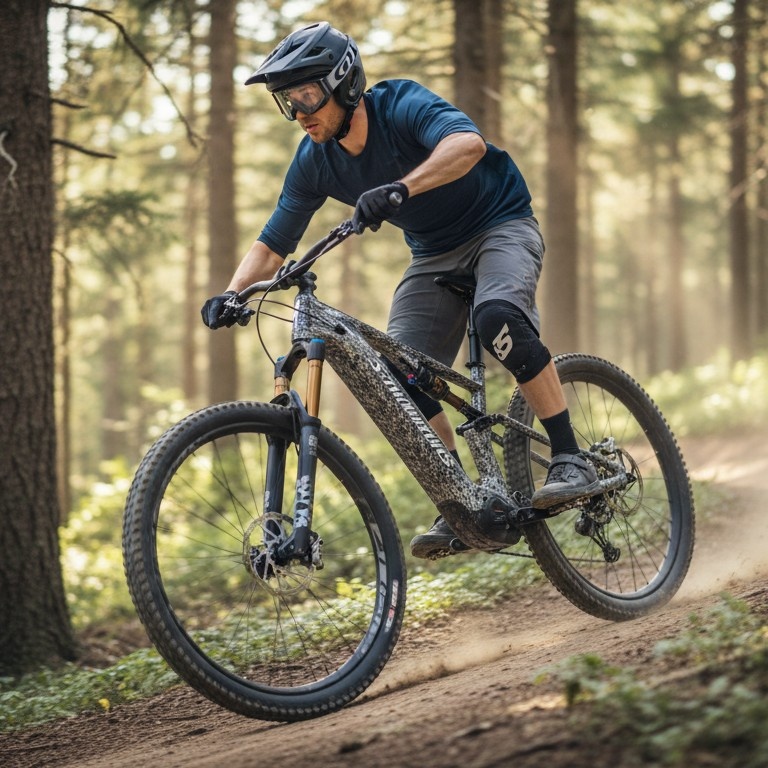
With the rising popularity of electric bicycles (e-bikes), many people have begun asking themselves: "Should I choose an e-bike, or stick with my traditional bicycle?" If you find yourself grappling with this very question, join us today for a detailed comparison designed to help you make an informed decision.
1. The Difference Between Electric Assist and Traditional Cycling
Electric Assist: E-bikes are equipped with a battery and an electric motor that provide additional power support while you ride. This allows you to effortlessly tackle uphill climbs, cover long distances, and accelerate quickly, thereby reducing physical strain. They are ideal for users who need to ride for extended periods or navigate areas with steep gradients.
Traditional Bicycles: Traditional bicycles rely entirely on human power for propulsion. While this method of cycling offers excellent physical exercise, it can feel physically demanding when facing long-distance rides or steep slopes.
2. Physical Exertion and Health Benefits
E-Bikes: Although e-bikes provide assistance—thereby reducing physical exertion during the ride—you can still adjust the assist levels to maintain a certain level of physical activity. For those who need to avoid overexertion, e-bikes offer a perfect balance.
Traditional Bicycles: Riding a traditional bicycle is a full-body workout that exercises the legs, core muscles, and cardiovascular system. It is well-suited for those looking to stay in shape or build physical endurance through cycling.
3. Cost and Maintenance
E-Bikes: E-bikes typically come with a higher price tag, and their batteries require periodic replacement. While battery lifespans generally range from 2 to 5 years, you must factor in the cost of battery replacement when purchasing an e-bike. Furthermore, maintaining an e-bike is slightly more complex than maintaining a traditional bicycle, as it requires regular inspections of the battery and motor systems.
Traditional Bicycles: Traditional bicycles are less expensive and much simpler to maintain. You only need to focus on the upkeep of standard components—such as tires, brakes, and chains—as they lack the complex systems (like batteries and motors) found on e-bikes.
4. Environmental Impact and Convenience
E-Bikes: E-bikes offer a convenient transportation option, making them particularly suitable for urban commuting and eco-friendly travel. Compared to fuel-powered vehicles, e-bikes generate virtually no pollution, making them an ideal choice for environmentally conscious cyclists. Traditional Bicycles: While traditional bicycles do not require batteries or motors, they remain a truly eco-friendly mode of transport that places no burden on the environment. For short-distance commutes or fitness purposes, traditional bicycles remain an exceptionally ideal choice.
Summary
Both electric bicycles and traditional bicycles have their respective strengths and weaknesses. The choice between an electric bike and a traditional one ultimately depends on your specific riding needs. If you prioritize convenience, comfort, and the ability to undertake long-distance rides, an electric bicycle is likely the better option. Conversely, if your goal is physical exercise and you are working with a more modest budget, a traditional bicycle will be a more suitable fit. At KOOAY, we offer a diverse range of electric bicycles designed to meet various riding requirements, ensuring that—regardless of which option you choose—you can enjoy a truly delightful riding experience.
KOOAY